10 Reasons Your Roof Drainage Isn't Working: Advice from Expert Roofers in Sydney
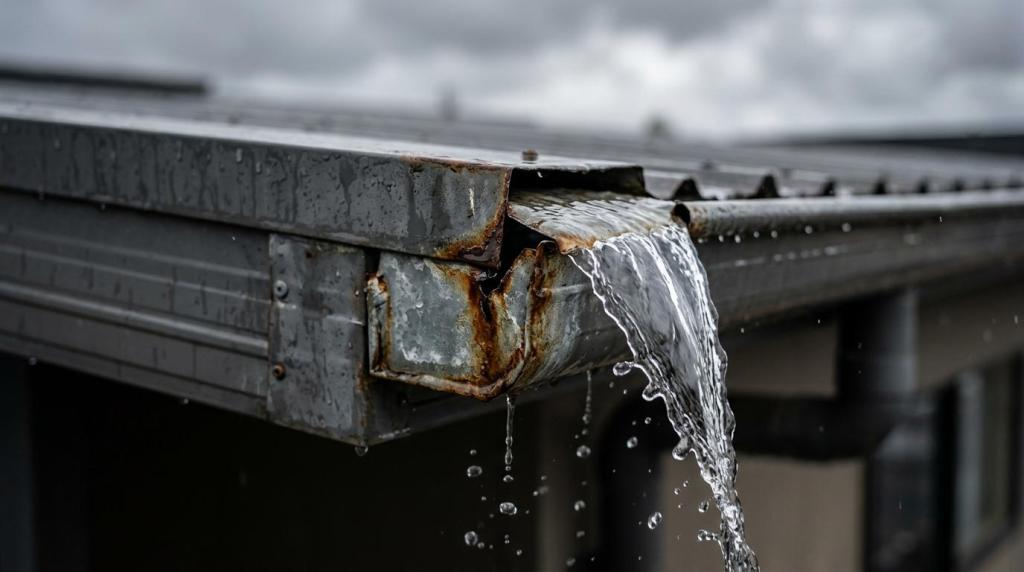
If you’ve ever stood on your balcony in Manly during a sudden Sydney downpour and noticed water cascading over the side of your gutters like a mini Niagara Falls, you know the sinking feeling of a drainage system failure. As homeowners in the Northern Beaches, we are lucky to live in one of the most beautiful coastal spots in the world, but our homes take a beating from the salt air, heavy storms, and the dense foliage of our local flora.
At Cloud 9 Roofing and guttering, we see it every day. You might think your roof is just a "set and forget" part of your house, but the drainage system is a complex network that requires precision to function. When it fails, it’s not just a nuisance; it’s a threat to your home’s structural integrity. Tommy, our Director, always tells our clients that a roof is only as good as its ability to get water away from the building.
If your roof drainage isn't working, here are the 10 most common reasons we find when we’re out on the tools, along with expert advice on how to fix them.
1. The Northern Beaches Debris Trap
We love our gum trees and coastal scrub, but they are the number one enemy of a clean gutter. Leaves, twigs, and bark accumulate quickly, especially after a windy afternoon. When this debris settles, it creates a dam. Water can’t reach the downpipes, so it pools in the gutter, causing it to sag or overflow into your eaves.
In a coastal environment like Sydney’s Northern Beaches, this debris doesn't just block water; it holds moisture against the metal. Even with premium products, prolonged contact with wet, decaying organic matter can lead to premature corrosion. We recommend regular cleaning or the installation of high-quality gutter guards to keep the system clear.
2. Improper Gutter Slope (Fall)
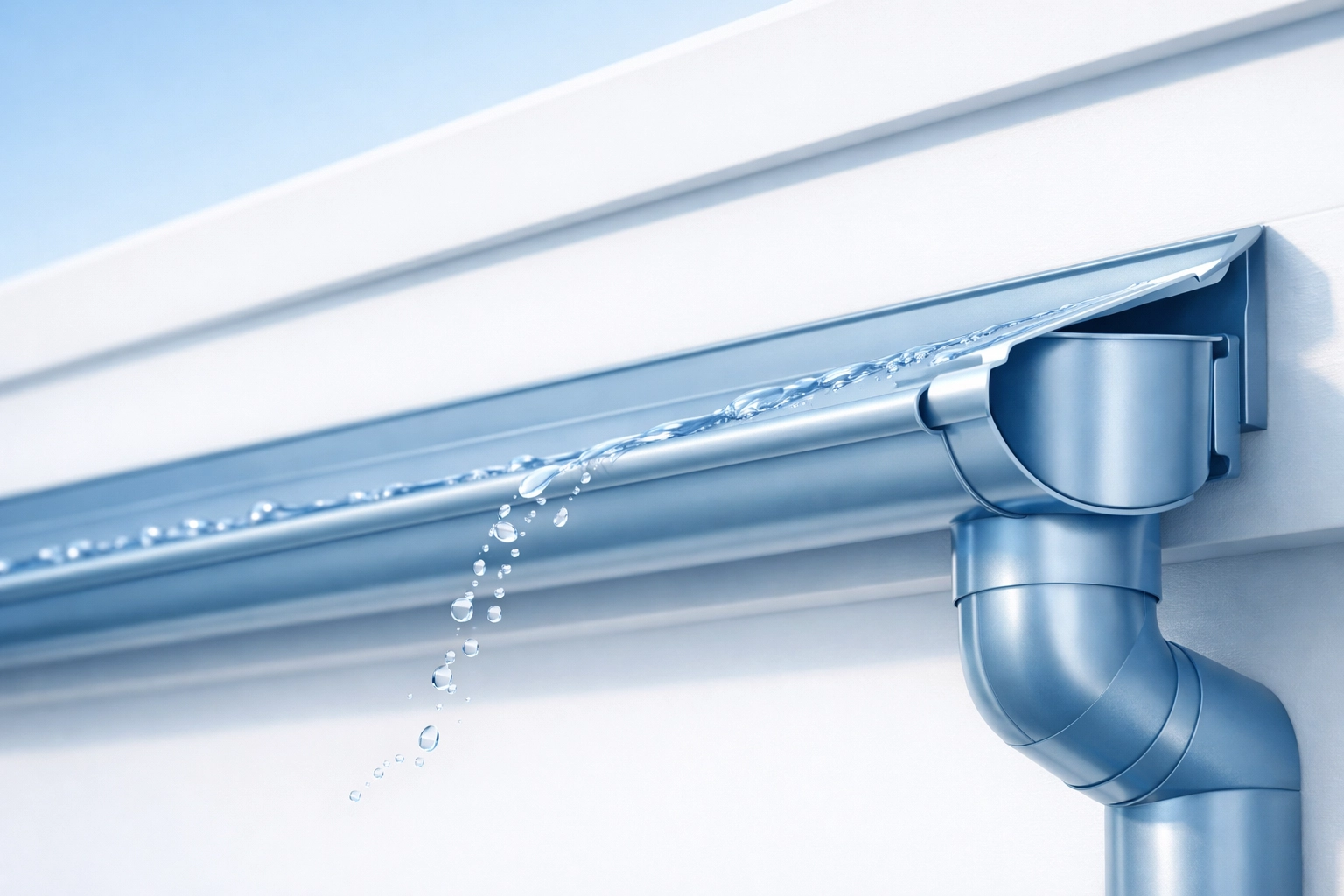
Gravity is the engine that drives your drainage. If your gutters were installed without the correct "fall": the slight downward tilt toward the downpipes: water will simply sit there. This is known as ponding.
You might notice small birds bathing in your gutters after the rain has stopped; while cute, it’s a sign of a major problem. Stagnant water adds immense weight to the gutter brackets and becomes a breeding ground for mosquitoes. Our team of expert roofers in Sydney ensures that every installation has the mathematically correct pitch to ensure water moves swiftly toward its exit point.
3. Undersized Downpipes for Sydney Storms
Sydney is famous for its "East Coast Lows": intense weather systems that dump a month's worth of rain in a few hours. If your downpipes were designed for a light drizzle, they simply won't cope with a Sydney deluge.
When the volume of water hitting the roof exceeds the capacity of the downpipes to carry it away, the water backs up. We often find that older homes have 65mm downpipes when they really need 90mm or rectangular alternatives from premium brands like Ace or Lysaght. Upgrading your downpipes is a crucial part of any metal roofing northern beaches project we undertake.
4. Blocked Scuppers on Flat Roofs
If you have a modern, flat-roofed home in Avalon or Palm Beach, you likely have scuppers: square openings in the parapet wall that allow water to exit. These are fantastic for aesthetics, but they are incredibly prone to blockages. A single tennis ball or a clump of leaves can completely seal a scupper. Because flat roofs don't have the "overflow" safety net that traditional pitched roofs do, a blocked scupper can lead to water rising high enough to enter the building through the flashing or over the top of the internal walls.
5. Rusted Valleys and Coastal Corrosion
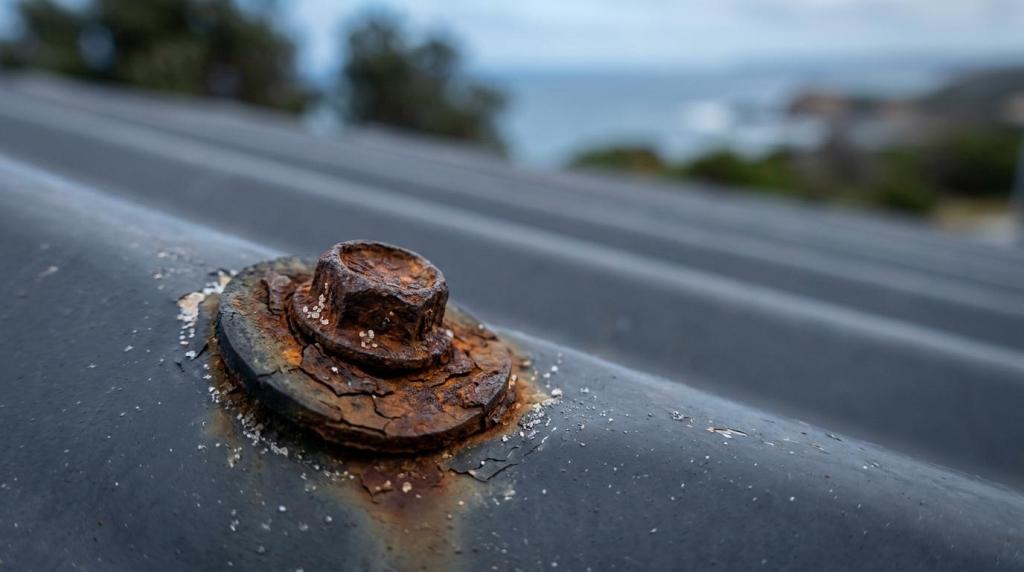
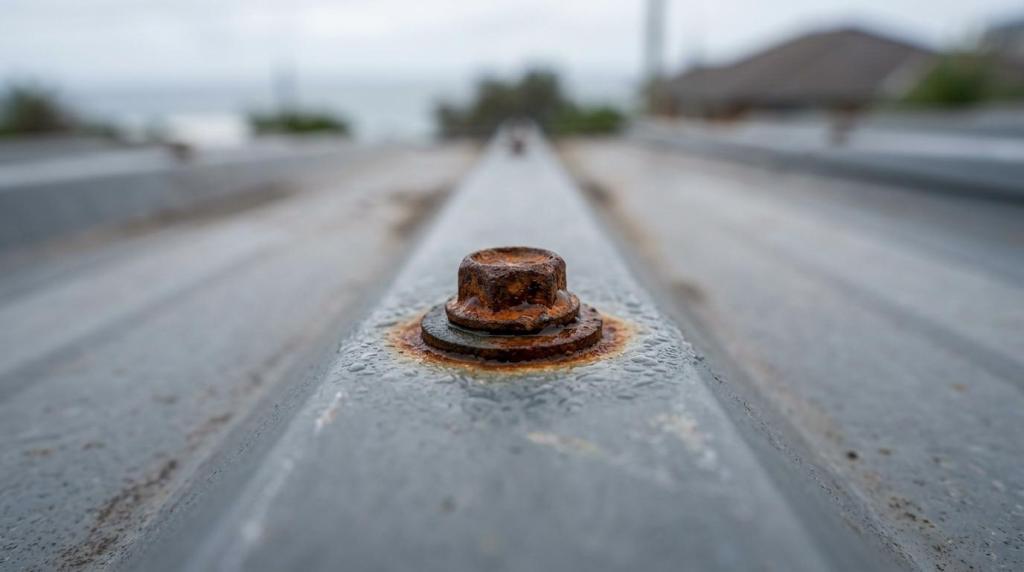
The valleys are the internal angles where two roof planes meet. They carry more water than any other part of your roof. In our local coastal environment, salt spray accelerates the rusting process of inferior materials.
If your valleys are rusted, water can leak through the holes before it ever reaches the gutter. We exclusively use premium materials like Lysaght Colorbond steel because it’s designed to withstand the harsh Australian climate. If you suspect your valleys are thinning or showing orange spots, it’s time for a professional roof repair.
6. Damaged or Poorly Installed Flashing
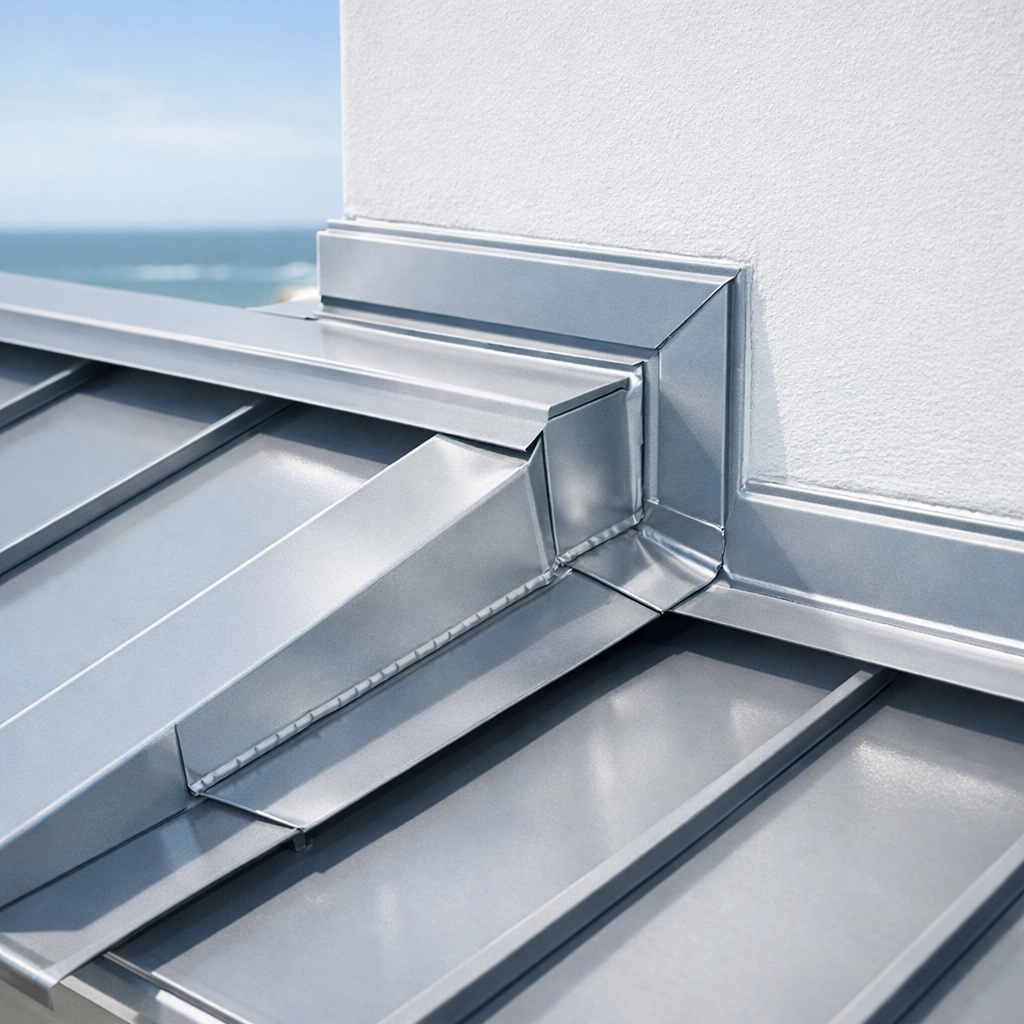
Flashing is the transition material (usually metal) used to seal the gaps around chimneys, skylights, or where the roof meets a wall. If the flashing is cracked, lifting, or wasn't installed with a proper "over-lap," water will bypass your drainage system entirely and go straight into your ceiling.
This is a common issue we see in Manly roofing services where older renovations might have used "quick-fix" sealants that have dried out and cracked under the Sydney sun. Expert flashing work is a hallmark of our 5-year workmanship guarantee.
7. Structural Sagging of the Roof Line
Over time, the timber rafters or battens of a home can settle or sag. If the roof surface itself has a "dip," water will pool there instead of flowing toward the gutters. This is particularly dangerous for metal roofing because the weight of the ponding water can cause further sagging, creating a vicious cycle. If you notice "low spots" on your roof after rain, it’s a sign that the underlying structure might need attention during your next roof restoration.
8. Poor Drain Placement
Sometimes, the issue isn't the condition of the roof, but the original design. If the drains or downpipes are located at the high points of the roof's natural movement, they are useless. We often see this in older homes that have been extended. The new roof section might "trap" water in a corner where no drainage exists. Our team specializes in redesigning these "problem areas" to ensure water has a clear, logical path to the ground.
9. Deteriorated Seals and Lap Connections
In metal roofing, the "laps" are where the sheets overlap. These are sealed to prevent capillary action (water being sucked upward between the sheets). Over decades, these seals can fail. When they do, water can seep into the roof cavity during wind-driven rain, common in coastal suburbs like Mona Vale.
We ensure that all lap connections are tight and treated with high-grade weatherproofing, using the latest techniques to "squash" any potential for leaks before they start.
10. The "Spreader" Problem
A "spreader" is a downpipe that empties onto a lower roof section rather than going straight to the ground. If not designed correctly, the concentrated "firehose" of water from a spreader can overwhelm the lower roof’s drainage capacity or even wash away the protective coating on your lower roof sheets. We recommend ensuring spreaders are fitted with "nozzles" that distribute water evenly or, ideally, plumbing them directly into the lower gutter system.
Why Quality Matters in Sydney’s Northern Beaches
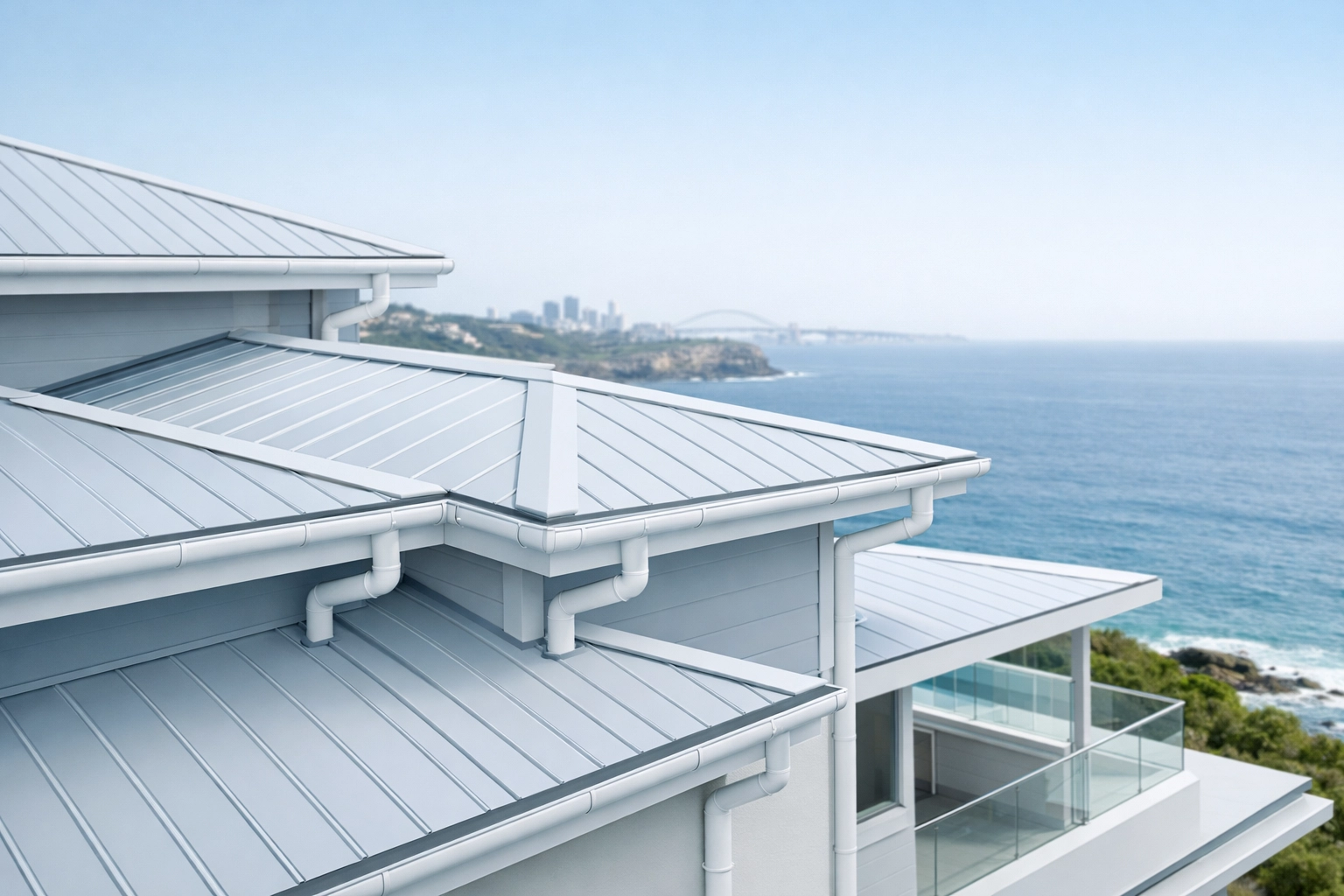
When it comes to roofing and guttering, you truly get what you pay for. Choosing the cheapest quote often leads to many of the problems listed above: poor pitch, inferior materials, and lack of attention to coastal factors.
At Cloud 9 Roofing and guttering, we don't believe in shortcuts. We use Ace Gutters and Lysaght steel because they are the gold standard for durability and aesthetics. Whether you’re in Avalon Beach or Palm Beach, your home deserves a drainage system that can stand up to the Pacific Ocean's salt spray and the unpredictable Sydney weather.
Our 5-Year Workmanship Guarantee
We are so confident in our team’s ability to solve your drainage woes that we offer a 5-year workmanship guarantee. This means when we fix a slope, install a new downpipe, or replace a rusted valley, we stand by the quality of that work for half a decade. We want you to have peace of mind the next time a storm roll in over the heads.
Is Your Roof Ready for the Next Storm?
Don't wait for a damp patch to appear on your ceiling to take action. Roof drainage issues are often "silent" until they become expensive. If you’ve noticed overflowing gutters, strange noises during rain, or visible rust, it’s time to call in the professionals.
We are local, we are experienced, and we know exactly what a Northern Beaches roof needs to survive and thrive.
Ready to get your roof back on track? Explore our services, check out our gallery of past work, or reach out to us directly for a friendly, casual chat about your home.
Contact the Cloud 9 team today and let’s make sure your roof drainage is working exactly as it should. Whether it's a minor repair or a full metal roof installation, we've got you covered.