

5 Steps How to Spot Coastal Roof Wear and Get Expert Repairs (Easy Guide for Northern Beaches Owners)
Living on Sydney’s Northern Beaches is a lifestyle many envy. Between the surf at Manly and the serene heights of Palm Beach, our local environment is stunning. However, for a homeowner, that beautiful coastal proximity comes with a hidden cost: accelerated roof wear. The very salt air that smells so refreshing is a silent predator for your home’s primary line of defense.
At Cloud 9 Roofing and guttering, we’ve seen firsthand how the harsh Pacific environment can turn a minor oversight into a massive repair bill. Whether you have a classic tile roof or a modern metal installation, the coastal elements require a specific eye for detail. If you’ve been searching for reliable roofers Sydney can trust, or specifically looking for experts in metal roofing Northern Beaches residents rely on, this guide is for you.
We’ve broken down the process into five actionable steps to help you spot wear early and ensure your home stays protected with expert repairs.
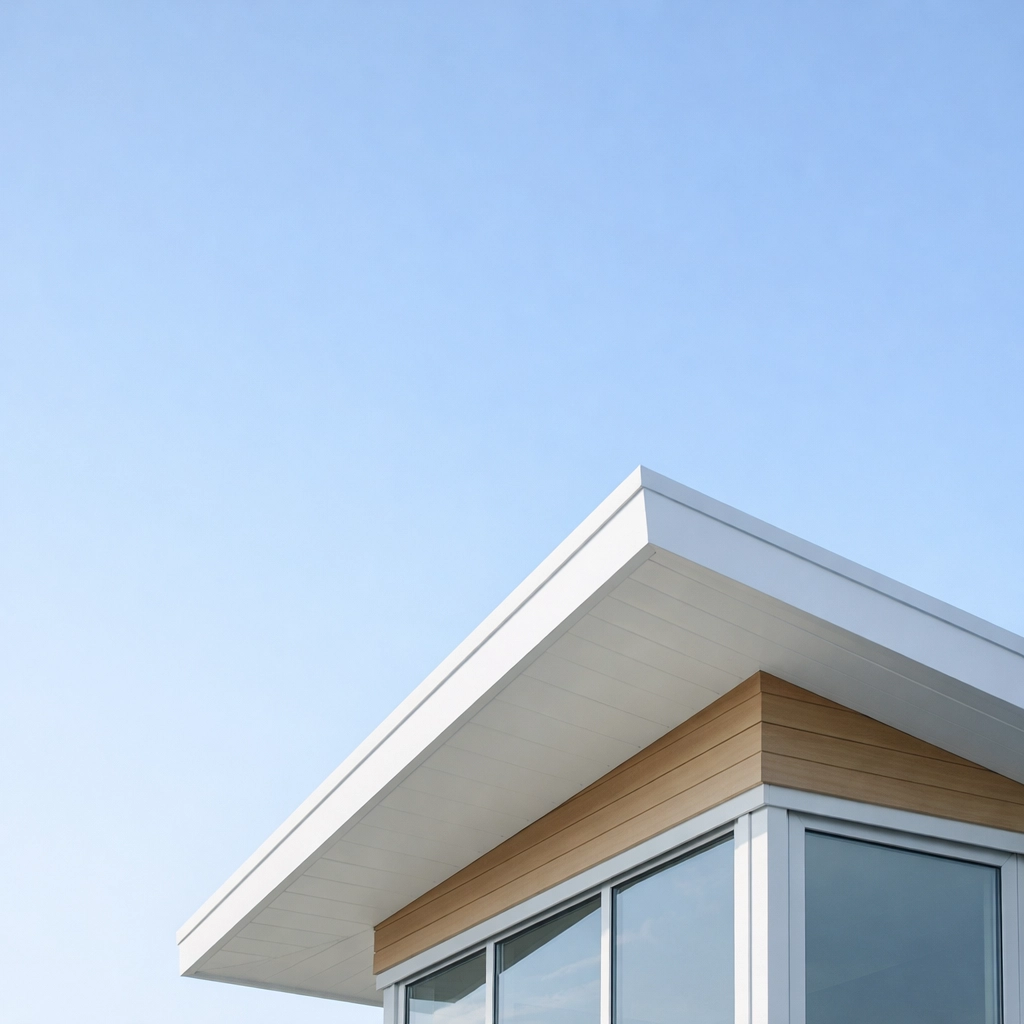
Step 1: Conduct a Ground-Level Visual Surface Check
You don’t always need a ladder to spot the first signs of trouble. In fact, we recommend starting your inspection safely from the ground. Use a pair of binoculars if you have them to get a closer look at the ridges and valleys of your roof.
What to Look For:
Displaced or Lifted Materials: Northern Beaches storms often come with high wind speeds. Check for any metal sheets that look like they are "lifting" at the edges or tiles that have shifted out of alignment.
Granule Loss (For Shingles/Tiles): If you notice a "bald" look on certain sections or see an accumulation of sandy grit in your gutters, your roof material is likely deteriorating.
Debris Build-up: Coastal winds often deposit organic matter like salt-crusted leaves and twigs in the "valleys" of your roof. This debris traps moisture against the surface, accelerating rot and corrosion.
By identifying these issues early, you can prevent water from finding a path into your internal structure. If things look messy from the ground, it’s usually time to check our services-cloud9 page to see how a professional refresh can help.
Step 2: Inspect Metal Components for Saltwater Corrosion
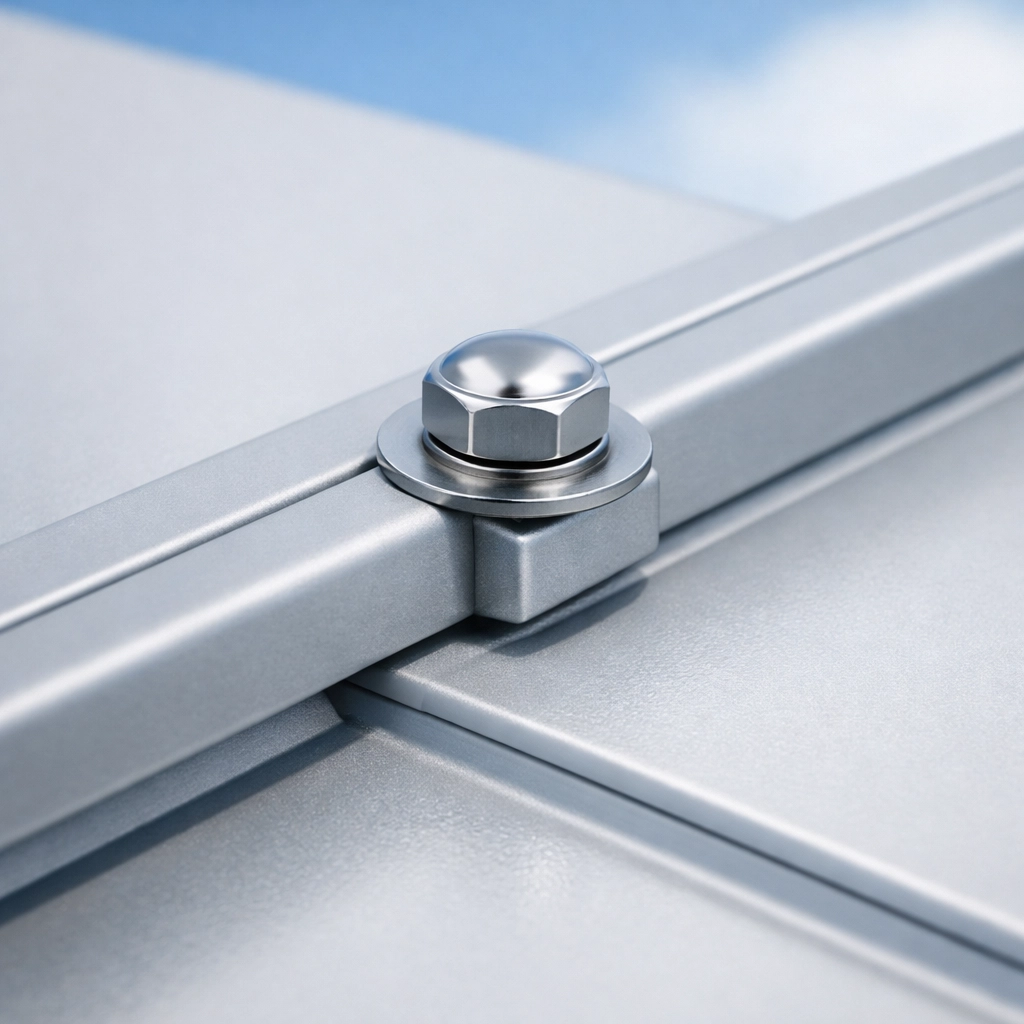
This is the most critical step for any property within five kilometers of the ocean. Saltwater corrosion isn't just about "rust"; it’s a chemical reaction that eats through fasteners, flashing, and gutters. Even if you have a metal roof, not all metals are created equal in a marine environment.
The Danger of Salt Spray
Salt spray can travel surprisingly far inland. It settles on metal surfaces and, when combined with morning dew or light rain, creates an electrolyte that speeds up the oxidation of steel.
Look for these warning signs:
White "Pitting" or Bubbling: On metal roofing, this is often the first sign of coating failure.
Orange Stains: Check the areas around your chimney, skylights, and vents. These are "flashings," and they are often the first components to fail.
Fastener Failure: If the screws holding your roof sheets down look rusted, the seal is likely compromised.
At Cloud 9, we combat this by using premium materials like Lysaght and Ace, which are specifically engineered to withstand the Australian climate. When we perform metal roof installations, we ensure every component is marine-grade to fight back against that salt air.
Step 3: The "Inside-Out" Attic and Ceiling Audit
Sometimes the best way to see what’s wrong with the outside of your roof is to look at the inside of your house. Water is incredibly opportunistic; it will travel along rafters and beams, meaning the wet spot on your ceiling might be meters away from the actual leak.
Interior Warning Signs:
Dark Spots or Discoloration: Even a small, faint yellow ring on your ceiling is a sign that water has bypassed your roof and reached your plasterboard.
The Smell of Mildew: If your attic or upper crawl space feels excessively humid or smells "musty," it’s a sign of poor ventilation or a persistent slow leak.
Daylight Peeking Through: On a sunny day, head into your attic with the lights off. If you see pinpricks of light coming through the roof deck, you have gaps that water will eventually exploit.
Proper attic ventilation is just as important as the roofing material itself. Without it, heat and moisture build-up can warp your roof from the inside. For those in high-salt areas like Palm Beach, internal moisture can even accelerate the corrosion of internal structural nails.
Step 4: Assess Gutter Health and Structural Sagging
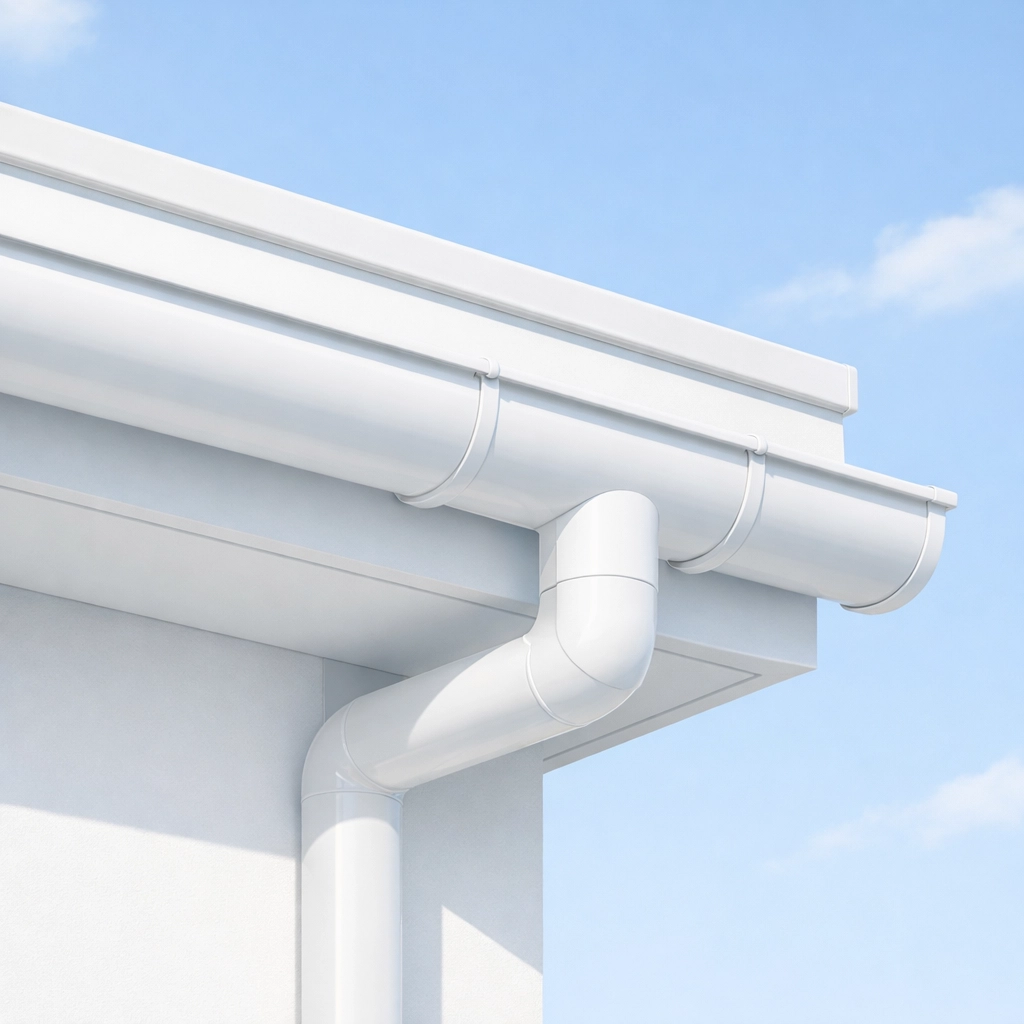
Your gutters are the "exhaust system" of your roof. In the Northern Beaches, gutters often fail because of a combination of salt corrosion and heavy leaf loads from local flora.
Gutter Red Flags:
Sagging or Pulling Away: If your gutters look like they are "drooping," the brackets have likely failed due to rust or the weight of trapped debris.
Water Marks Behind the Gutter: This suggests that water is overflowing or leaking behind the gutter, which can lead to fascia rot: a much more expensive repair.
Standing Water: If there is water sitting in your gutters days after a rainstorm, they aren't pitched correctly or are blocked.
A sagging roof line is a more serious structural issue. If you notice a "dip" in the ridge of your roof, it could indicate that the structural timber underneath has been weakened by long-term moisture exposure. This requires immediate attention from expert roofers Sydney homeowners trust to handle structural integrity.
Step 5: Schedule a Professional Inspection and Repair Plan
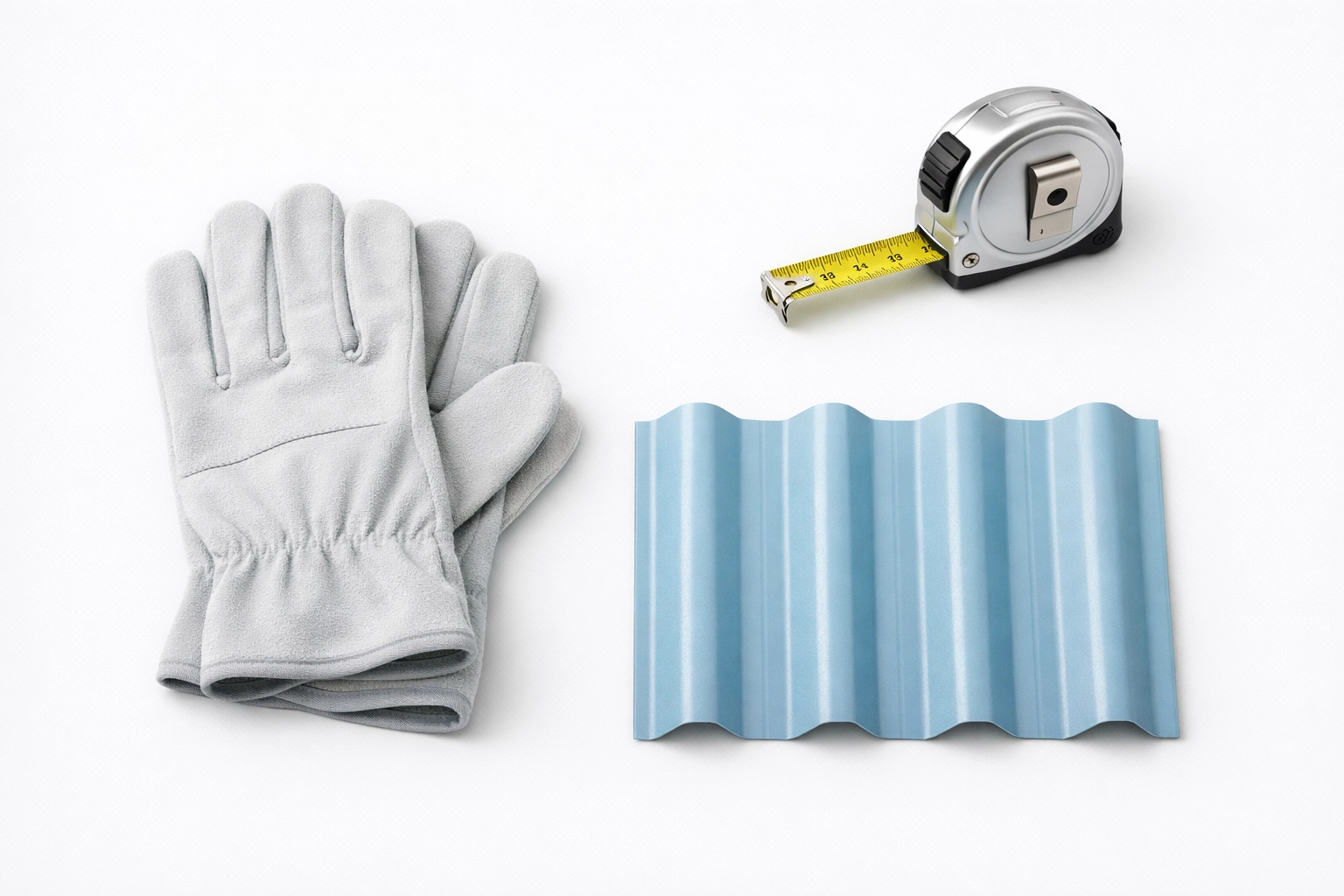
DIY inspections are great for early detection, but they can’t replace the trained eye of a professional. A roof is a complex system of layers, and what looks like a simple "rust spot" to a homeowner might be a sign of a much deeper structural failure to an expert.
Why Professional Maintenance Matters:
Safety: Climbing onto a coastal roof, especially one with a steep pitch or salt-slicked surfaces, is dangerous.
Expert Diagnosis: We know the specific failure points common in suburbs like Manly and Avalon Beach.
The Right Materials: We don't just "patch" problems. We use high-quality products from Lysaght and Ace to ensure the repair lasts.
Workmanship Guarantee: At Cloud 9 Roofing and guttering, we stand by our work with a 5-year workmanship guarantee. This gives you peace of mind that the job was done right the first time.
If you’re unsure where to start, our Getting Started guide offers more insights into the process of roof restoration and repair.
Why Cloud 9 is the Right Choice for the Northern Beaches
When it comes to roofing Sydney, the competition is fierce, but our local expertise sets us apart. We understand that a roof in the Northern Beaches isn't just about aesthetics: it’s about durability. The combination of high UV levels and salt spray means that standard roofing practices often fall short.
We specialize in metal roofing Northern Beaches residents can rely on for decades. Metal is often the superior choice for coastal homes because it sheds salt more effectively than tile and, when installed correctly with the right coatings, is highly resistant to corrosion.
Whether you are in Mona Vale or further south, our team is committed to providing professional, transparent service. We believe in educating our clients: explaining the "how" and "why" behind every repair we suggest.
Don’t Wait for the Next Storm
Coastal wear is progressive. A small area of salt corrosion today will become a hole by next winter. By following these five steps, you can take control of your home’s maintenance and avoid the stress of emergency repairs during a downpour.
If you’ve spotted any of the warning signs mentioned above: or if it’s simply been a few years since your last professional check-up: don't hesitate to reach out. Our team is here to provide an honest assessment and a durable solution.
Ready to protect your coastal home?
Contact us today to schedule an inspection. Let’s ensure your roof is as resilient as the Northern Beaches coastline.
View our work:Gallery
Hear from your neighbors:Testimonials
Get in touch:Contact Cloud 9


