7 Mistakes You’re Making with Metal Roof Maintenance (and How to Fix Them for Good)
Living on Sydney’s Northern Beaches is a dream for many, but for a homeowner, the coastal lifestyle presents a unique set of challenges: especially for your roof. Metal roofing is celebrated for its durability and sleek aesthetic, yet there is a common misconception that "metal" means "maintenance-free." At Cloud 9 Roofing and Guttering, we often see homeowners fall into the trap of the "set and forget" mentality.
While premium materials like Lysaght and Colorbond are engineered to withstand the harsh Australian sun and salty sea spray, they aren't invincible. Small oversights in maintenance can lead to premature corrosion, leaks, and costly repairs. If you want to protect your investment and ensure your home stays dry during the next coastal storm, you need to avoid these seven common metal roof maintenance mistakes.
1. The "Set and Forget" Fallacy: Neglecting Regular Inspections
The biggest mistake you can make with metal roofing in Sydney is assuming that because it looks fine from the ground, everything is perfect on top. In the Northern Beaches, our roofs endure high UV levels and constant salt-laden winds. Over time, these elements can degrade seals and fasteners.
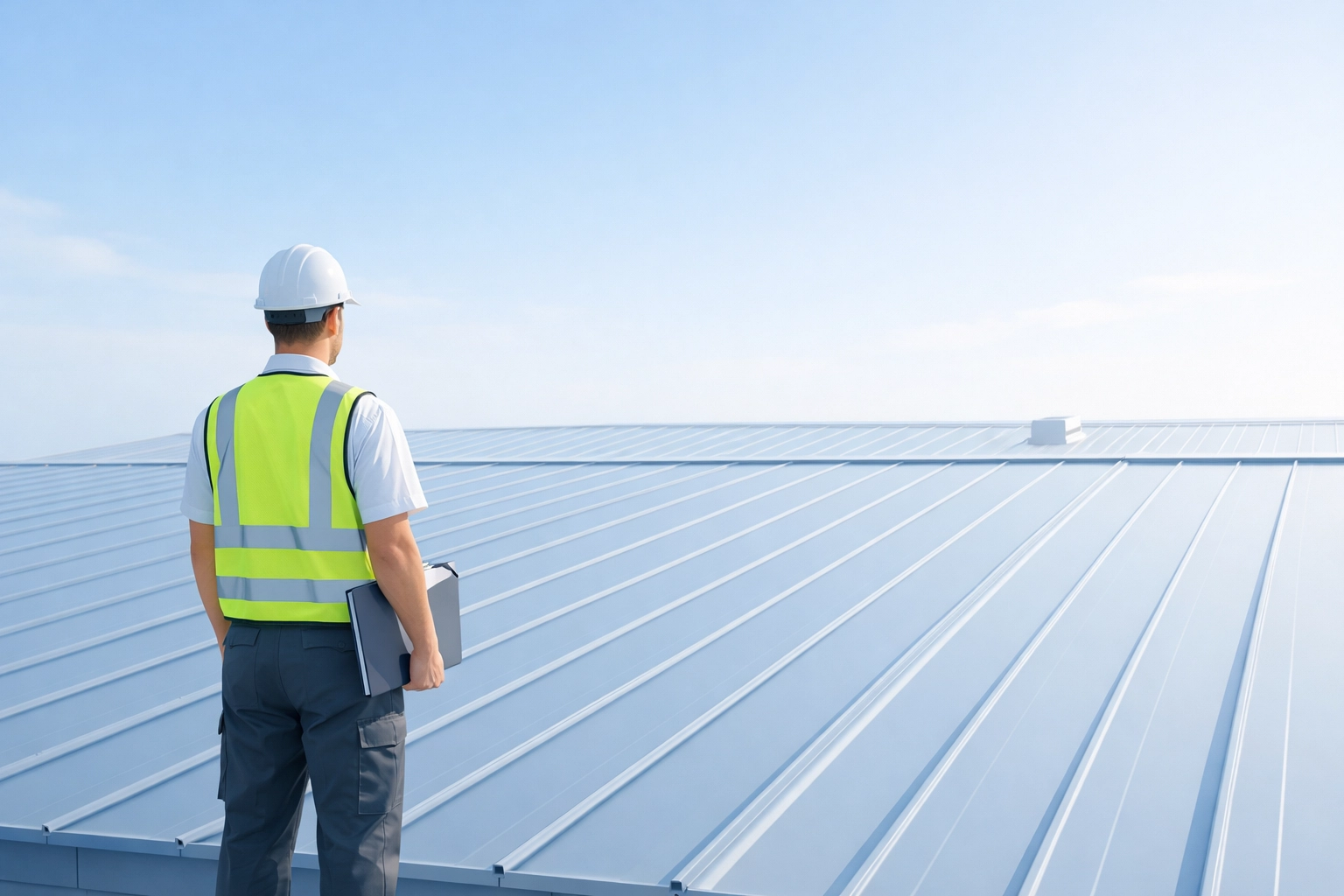
We recommend a professional inspection at least twice a year: ideally before the storm season and again after major weather events. A quick visual check can identify early warning signs of leaks before they become interior nightmares. Ignoring these check-ups allows minor issues, like a loose screw or a cracked sealant, to escalate into structural damage.
2. Ignoring "Cosmetic" Scratches and Scuffs
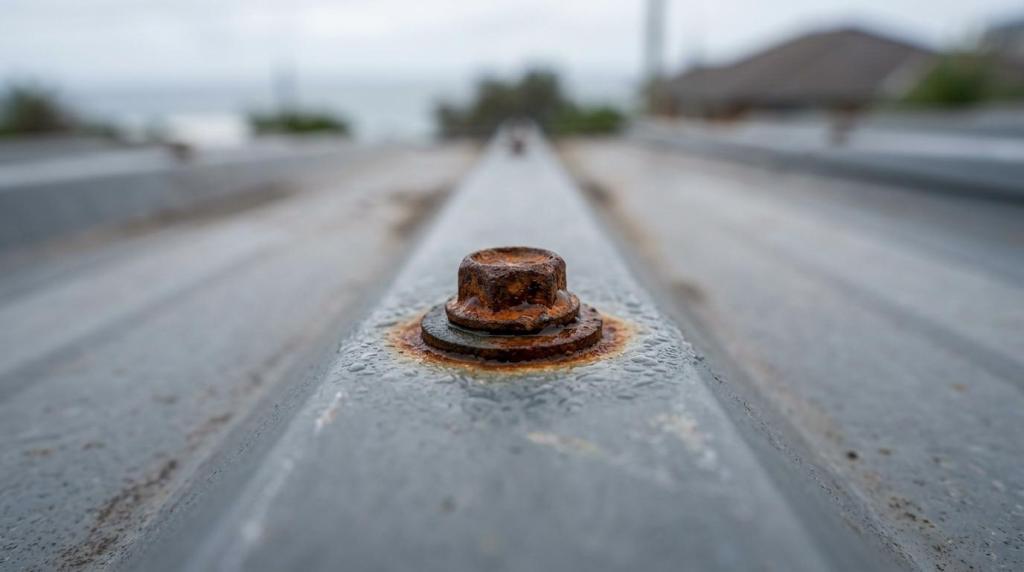
It is easy to look at a small scratch on your metal roof and think, "It’s just a bit of paint missing." However, in a coastal environment, a scratch is an open invitation for corrosion. High-quality metal roofing, such as those using Ace or Lysaght steel, features a protective sacrificial coating (usually a blend of zinc and aluminium). When the top paint layer is breached, this coating works overtime to protect the steel core.
If you ignore these scratches, the protective coating eventually wears thin, leading to "red rust." Once rust takes hold of the base metal, the integrity of the sheet is compromised. The Fix: Always touch up scratches with the manufacturer-approved touch-up paint or seek professional advice to ensure the protective barrier is restored correctly.
3. High-Pressure Cleaning and Harsh Chemicals
When your roof starts looking a bit dull or develops a layer of salt crust, your first instinct might be to grab a high-pressure hose or industrial-strength bleach. Stop right there. Metal roofs, especially Colorbond, have specific cleaning requirements to maintain their warranty and finish.
Using excessive pressure can force water under the laps of the metal sheets or damage the protective bonded layers. Similarly, harsh chemicals can cause a chemical reaction with the metal, leading to staining or accelerated corrosion. The Fix: Stick to a "soft wash" approach. Fresh water and a mild detergent, applied with a soft-bristle brush, are usually all you need to clear away salt and grime. For homes in the Northern Beaches, regular rinsing with fresh water is crucial for coastal performance.
4. Walking on the Roof Incorrectly
Whether you are trying to retrieve a stray tennis ball or installing a new antenna, walking on a metal roof requires precision. Metal sheets are strong, but they are not designed to support concentrated point loads in the middle of a span.
Walking on the "ribs" or the center of the pans can cause dents and "oil canning" (visible waviness). More importantly, it can break the seals around fasteners, creating tiny gaps where water can seep through. The Fix: If you must go up, always walk over the roof battens (the internal support structures) and wear soft-soled shoes. Better yet, leave the high-altitude work to the experts at Cloud 9 Roofing and Guttering to avoid damaging your roof or risking your safety.

5. Allowing Debris to Accumulate in Valleys and Behind Chimneys
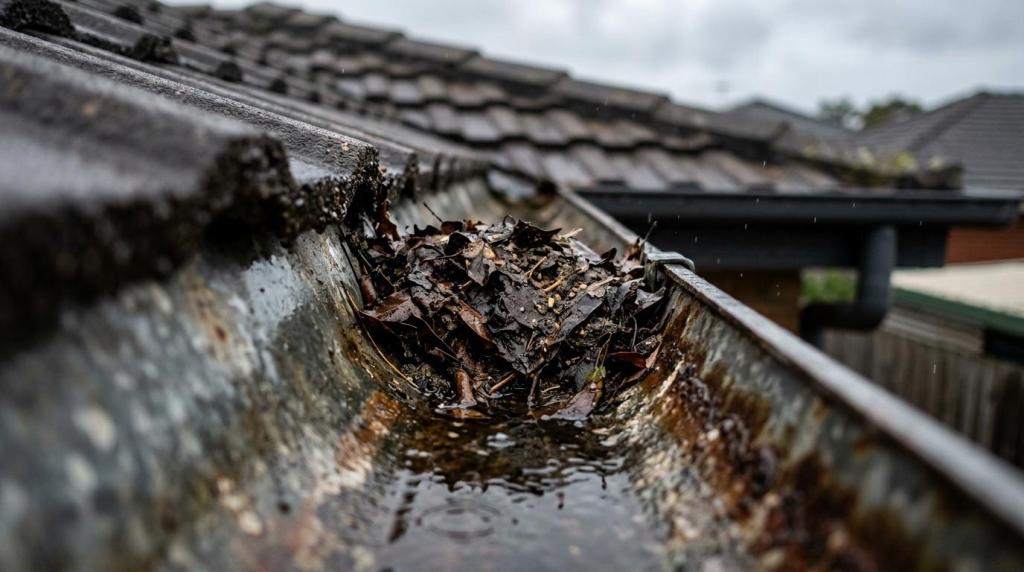
The Northern Beaches is known for its beautiful greenery, but those overhanging gum trees are a metal roof's silent enemy. Leaves, twigs, and organic matter tend to collect in roof valleys, behind skylights, and around chimneys.
When this debris gets wet, it holds moisture directly against the metal surface. Even the best metal roofing will eventually succumb to "crevice corrosion" if kept constantly damp. This trapped moisture creates a micro-environment where the metal cannot dry out, bypassing the material's natural ability to resist rust. The Fix: Regularly clear all debris from your roof. Pay special attention to areas where water flow might be restricted. If you have skylights, ensure the flashing is clear of moss and leaves to prevent common leak points.
6. Mixing Incompatible Metals (Galvanic Corrosion)
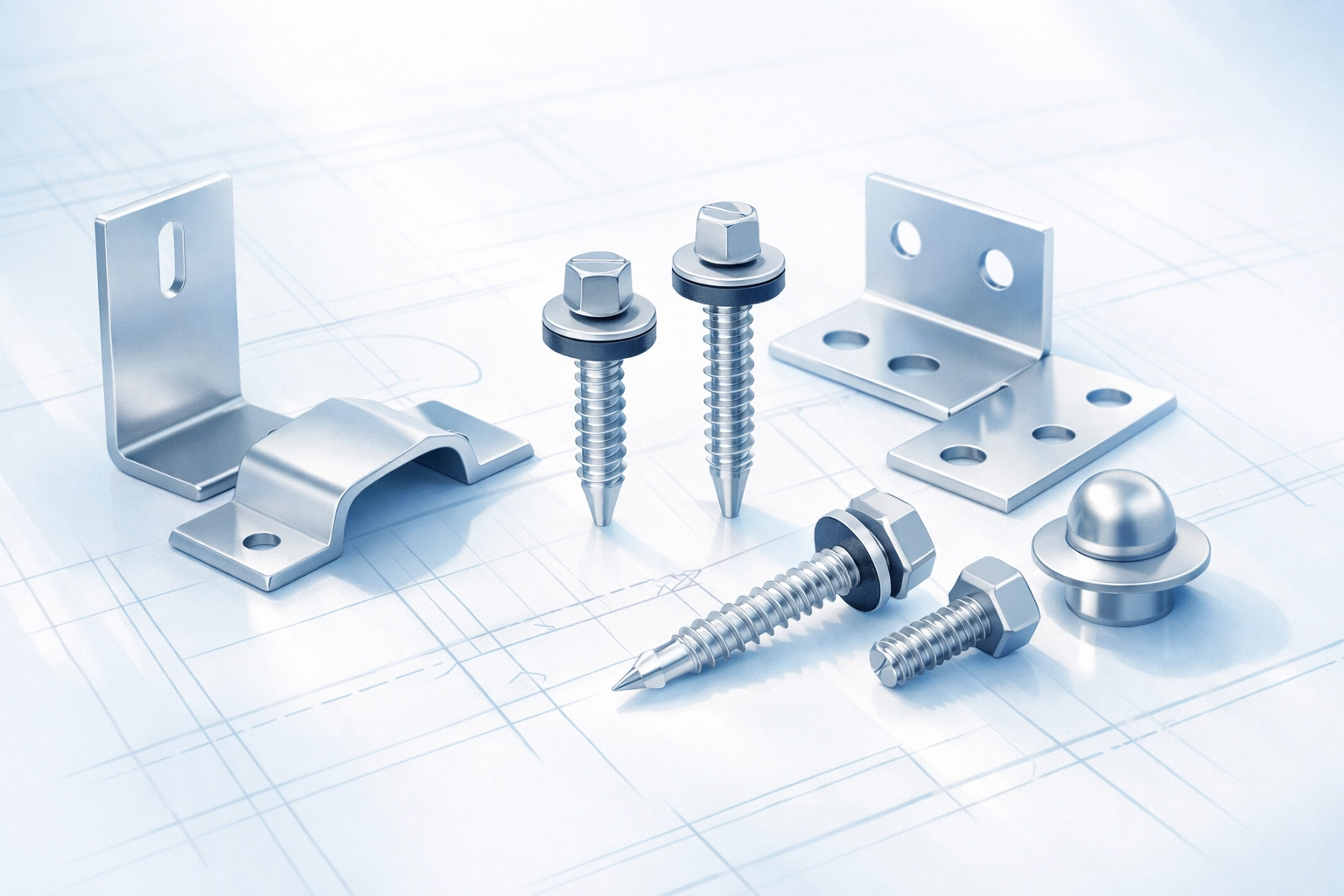
This is a technical mistake that can destroy a roof in a matter of months. Galvanic corrosion occurs when two different types of metal (like copper and zinc/aluminium-coated steel) come into contact in the presence of moisture. The more "active" metal will corrode at an alarming rate.
We often see this when homeowners install DIY additions, such as copper overflow pipes or lead flashings on a modern Colorbond roof. The runoff from the copper will lead to rapid "pitting" and holes in the steel roofing below. The Fix: Ensure all accessories, fasteners, and flashings are compatible with your specific roofing material. At Cloud 9, we exclusively use premium brands like Lysaght and Ace to ensure all components of your roofing system work in harmony.
7. Forgetting the Gutters and Downpipes
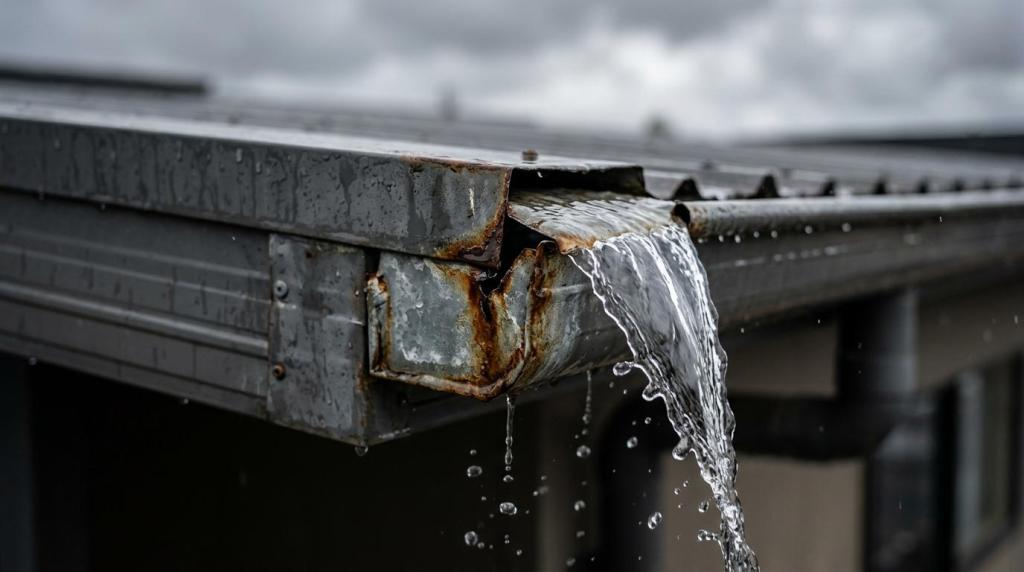
Your roof and your guttering system are a single ecosystem. You cannot maintain one while ignoring the other. If your gutters are blocked, water backs up under the eaves and onto the underside of your metal roof sheets. The underside of the sheet is often the most vulnerable area because it isn't rinsed by rain, allowing salt and pollutants to concentrate there.
Neglecting your guttering and downpipes can lead to rusted internal valleys and water damage to your fascia boards. In the coastal environment, this is even more critical. The Fix: Clean your gutters at least twice a year and check for signs of sagging or rust. If your gutters are beyond repair, consider a full gutter and downpipe replacement to protect the integrity of your entire roofing system.
Why Professional Maintenance Matters in the Northern Beaches
The "DIY" spirit is strong in Sydney, but roofing is one area where professional expertise pays for itself. At Cloud 9 Roofing and Guttering, we understand the nuances of the local climate. We know exactly how the salt air interacts with different grades of steel and which fasteners will stand the test of time.
When we perform maintenance or repairs, we don't just patch a hole; we look for the root cause. We use premium materials and offer a 5-year workmanship guarantee, giving you the peace of mind that the job has been done to the highest industry standards.
Whether you are in Manly, Mona Vale, or Frenchs Forest, your roof is your home’s first line of defense. Don't wait for a drip on your ceiling to start thinking about maintenance. By avoiding these seven mistakes and staying proactive, you can ensure your metal roof lasts for decades.

Fix Your Roof for Good
If you’ve noticed any of these mistakes on your own roof, or if it’s simply been too long since your last inspection, we are here to help. From minor repairs to full roof restorations in Sydney, our team provides the quality and durability your home deserves.
Contact Cloud 9 Roofing and Guttering today for an expert assessment of your Northern Beaches home. Let’s make sure your roof stays in top condition, no matter what the Sydney weather throws at it.