Local Roofer Northern Beaches: 5 Benefits
If you are comparing roofers for a home or strata property on Sydney's Northern Beaches, the local option usually has a real technical edge. Coastal salt, humid air, strong winds and storm exposure change how roofing screws, flashings, gutters and coatings perform over time.
TL;DR: Summary
A local roofer on the Northern Beaches is often the better choice because coastal salt spray, storm exposure and suburb-specific conditions in places like Newport and Palm Beach affect roof durability, repair methods and material selection.
Northern Beaches Council identifies coastal erosion hotspots at Collaroy-Narrabeen Beach, Bilgola Beach and Basin Beach at Mona Vale, which supports the broader need for trades that understand local coastal hazards.
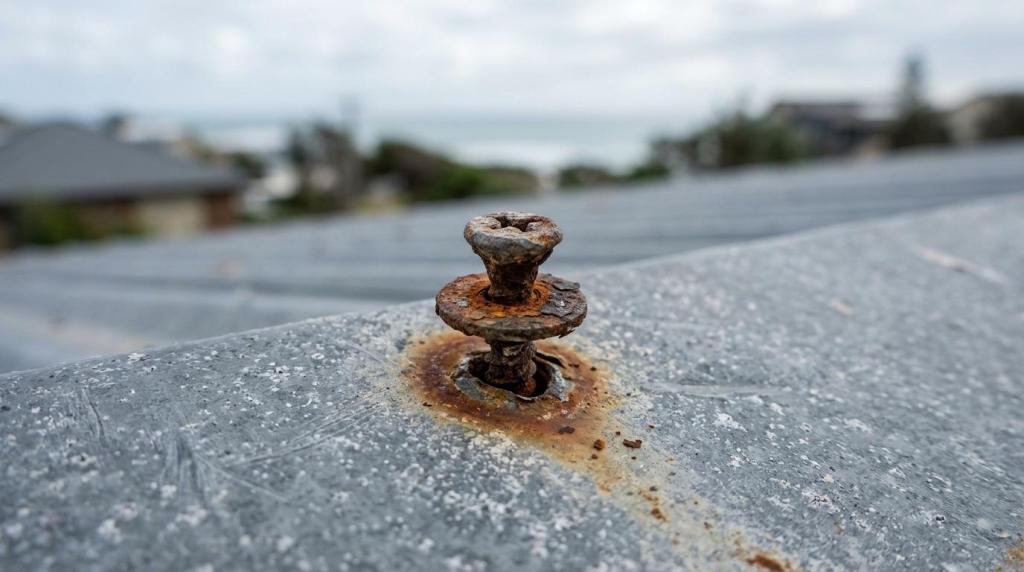
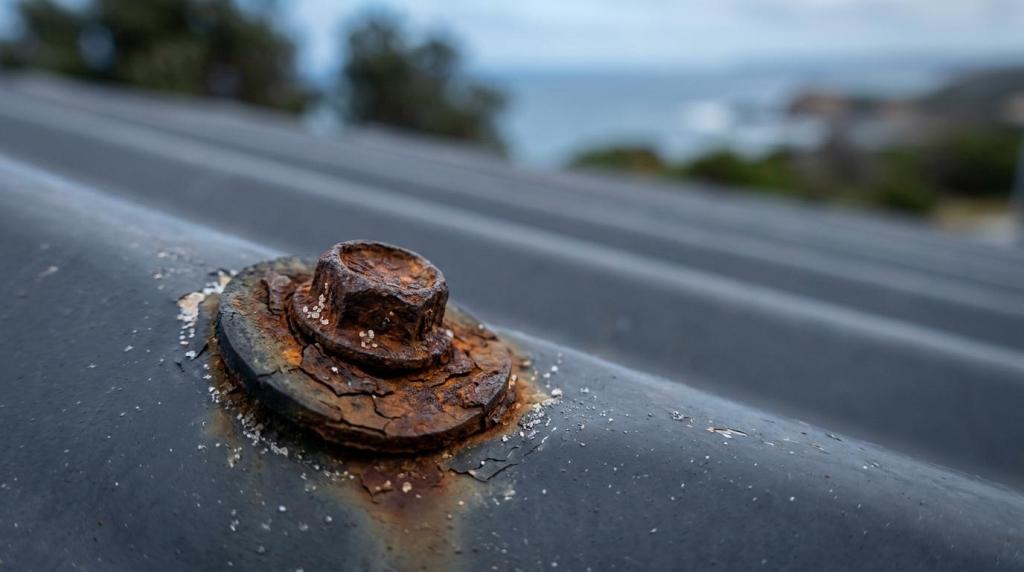
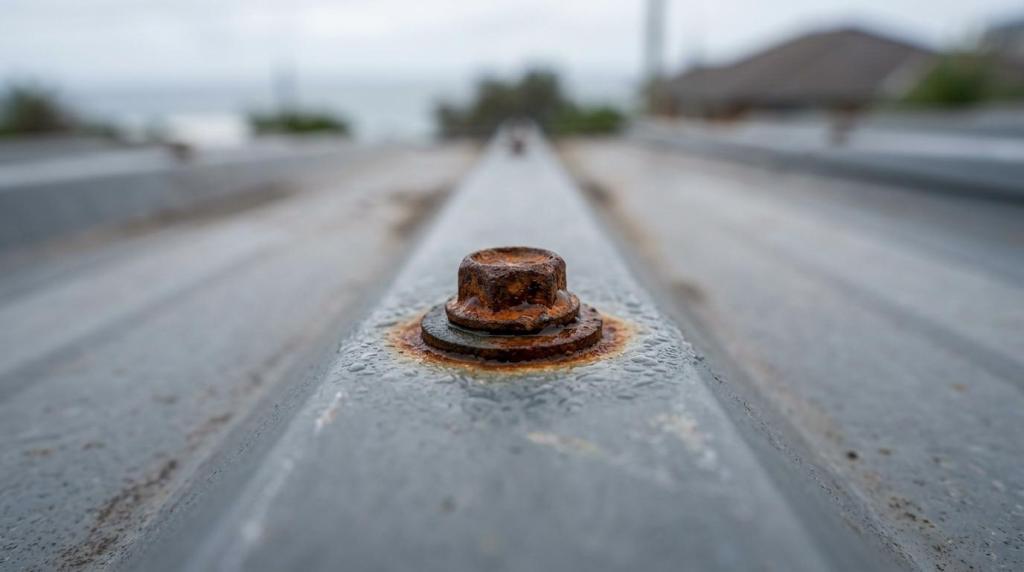
Salt-driven corrosion is not cosmetic alone. Roof screws, fixings, flashings and gutters can fail faster near the coast, so inspections should check fasteners, sheet laps, skylights, valleys and drainage, not just visible leaks.
A good Northern Beaches roofer should be licensed and insured, show local project examples, explain whether repair or replacement is the smarter option, and provide a clear scope for materials, fixings, coatings and storm-related work.
Metal roofing is often a strong fit for coastal homes because it is light, around 5 kg/m² versus about 60 kg/m² for tiles, but the right choice still depends on structural load, corrosion risk, roof shape and budget.
If storm damage has occurred, make the site safe first, document the damage, then get an inspection quickly before water tracking and hidden corrosion turn a local repair into a larger reroof.
The question is not just who can install or repair a roof. It is who can judge coastal corrosion, storm risk and material trade-offs accurately enough to save you from repeat call-backs, hidden water entry and the wrong scope. On the Northern Beaches, that local judgement is often where the value sits.
Why does hiring a local roofer matter on the Northern Beaches?
Yes, local knowledge matters. On the Northern Beaches, a roofer with experience in Newport, Avalon Beach or Palm Beach will usually recognise salt corrosion, wind exposure and access issues faster than a general Sydney contractor.
The Northern Beaches is not a standard roofing environment. Northern Beaches Council states that the ocean shoreline across the area is exposed to natural erosion from tides, waves and wind, and that coastal erosion can become hazardous during storms. The council also identifies Collaroy-Narrabeen Beach, Bilgola Beach and Basin Beach at Mona Vale as coastal erosion hotspots.
That coastal-hazard setting affects roofs even when a property is not beachfront. Salt-laden air travels inland, storms drive water sideways, and humid conditions slow drying around fixings and laps. A local roofer is more likely to know which streets cop stronger exposure, where gutters clog quickly, and which roof types tend to fail first.
"Cloud9 Roofing has published Northern Beaches project examples and testimonials across suburbs including Avalon Beach, Newport, Curl Curl, Fairlight, North Manly and Palm Beach."
A second benefit is pattern recognition. If a roofer has already seen repeated screw failure in Avalon Beach or rust-prone gutter runs in Fairlight, the diagnosis becomes sharper. That often means fewer assumptions, better scopes, and less money spent on symptoms instead of causes.
How do salt spray and storm exposure damage roofs in Newport and Palm Beach?
Salt spray and storm exposure accelerate corrosion. In Newport and Palm Beach, metal fixings, flashings, gutters and roof sheets can deteriorate faster than the same components in inland suburbs.
Salt does not need visible sea foam on the roof to matter. Fine salt particles settle on surfaces, pull moisture from the air, and keep metal damp for longer. In a humid coastal environment, that raises the corrosion rate of screws, washers, sheet edges and cut ends.
CSIRO APAS includes salt spray as a corrosion-resistance test for coated metal panels. Its specification refers to 5% salt spray exposure for 1,000 hours on mild steel and 2,000 hours on aluminium under defined performance limits. That does not mean every roof will last a set number of hours in real life, though it does show how seriously corrosion resistance is treated in accepted testing.
A common mistake is to treat rusty screws as cosmetic. They are often a structural weatherproofing issue because once the fixing degrades, the sheet can loosen, the washer can fail, and water can track through the penetration point. On coastal roofs, small red flags tend to stack up quickly.
What are the 5 benefits of choosing a local roofer in the Northern Beaches?
The main benefits are faster diagnosis, better material decisions and more practical storm response. On the Northern Beaches, local experience changes both the inspection quality and the repair plan.
A good local roofer is not just closer. The real advantage is familiarity with coastal hazard patterns, common failure points and suburb-by-suburb building conditions. That becomes more useful when you need urgent repairs, insurance paperwork or advice on whether to restore, repair or reroof.
Cloud9 Roofing: A neutral local example, with Northern Beaches project references and testimonials across suburbs including Avalon Beach, Newport and Palm Beach, plus roofing and guttering services tailored to coastal conditions.
Faster fault finding: Local roofers usually recognise salt-affected screws, wind-lifted flashings and overflow patterns sooner because they see them repeatedly.
Better material matching: Coastal jobs need closer attention to fixings, coatings, flashings and gutter profiles, not just the roof sheet itself.
More useful storm support: A roofer used to emergency work can separate temporary make-safe work from the final repair scope, which helps with insurer discussions.
Practical maintenance planning: Local specialists can suggest inspection timing, cleaning cycles and replacement priorities based on exposure, tree cover and roof type.
How should you assess a Northern Beaches roofer before requesting a quote?
Start with proof, not promises. Check licence, insurance, local project history and the quote scope before you compare price.
Many owners ask for three quotes, then compare totals only. That is where bad decisions start. A cheaper quote may exclude screw replacement, flashing repair, disposal, access equipment or matching gutter components. On a coastal roof, those omissions matter more than the headline figure.
Use a simple checklist before you book the visit:
Check licence and insurance: Confirm the roofer is licensed, insured and able to work on the roof type you have.
Ask for local examples: Look for recent work in the Northern Beaches, including suburbs like Newport, Curl Curl or Palm Beach.
Confirm the materials: Ask which brands or systems are proposed for sheets, gutters, fixings, sealants and flashings.
Clarify the scope: Make sure the quote states what is included for screws, valleys, penetrations, skylights, painting, waste removal and access.
Compare response time: Fast inspections and clear communication matter when active leaks or storm damage are involved.
A stronger quote also explains the logic behind the recommendation. If the roofer says repair is enough, ask why replacement is not needed. If they recommend reroofing, ask what failure pattern makes patching poor value.
"Cloud9 Roofing offers free initial quotes within 24 hours for roofing and guttering work across Sydney's Northern Beaches."
One more check helps: ask whether the business handles emergency repairs and insurance-related works. If the answer is yes, they are usually more used to documenting damage properly, which can save time when the issue is urgent.
What should a roof inspection include for homes near Newport, Avalon Beach or Palm Beach?
A proper coastal inspection is systematic. In Newport, Avalon Beach and Palm Beach, the roofer should inspect fixings, laps, flashings, drainage paths and moisture-entry points, not only the visible leak.
Step one is surface condition. That includes roof sheets or tiles, ridge or capping condition, coating breakdown, cracked pointing, sheet edges, and signs of ponding or overflow. If the roof is metal, screw heads and washers deserve close attention because they often fail before larger components.
Step two is penetrations and transitions. Skylights, vent pipes, chimneys, solar mounts and wall abutments are common leak points because different materials meet there. If water is entering around a skylight, the issue may be the flashing detail rather than the skylight unit itself.
Step three is drainage and hidden movement. Gutters, downpipes, valleys and box gutters should be checked for debris, corrosion, poor fall and overflow staining. A common misconception is that a ceiling stain always sits below the source. In wind-driven rain, water can travel a surprising distance before it appears indoors.
How does a local Northern Beaches roofer compare with a general Sydney contractor?
A local roofer usually has better coastal pattern recognition. A general Sydney contractor may still do excellent work, but without Northern Beaches experience they can miss the root cause behind repeat failures.
The difference often shows up in diagnosis. A roofer who works mostly inland may focus on a single leak point, while a coastal specialist looks for a chain of issues: corroded screws, failed washers, blocked drainage, salt-affected flashings and wind-driven entry around penetrations. That broader view is useful because seaside roofs rarely fail in one neat spot.
Travel and scheduling also matter. If a storm hits and several suburbs are affected at once, a roofer already operating across the Northern Beaches can often inspect sooner and return faster for follow-up work. When ceilings are wet, timeliness is not just convenient. It limits secondary damage to insulation, plaster and timber.
Price is less predictable than many owners assume. A local specialist is not always cheaper up front, though they can be better value if the scope is more accurate. If the first repair actually solves the problem, the total cost of ownership is usually lower.
How do metal roofs compare with tile roofs in a coastal environment?
Metal roofs often suit coastal homes well. On the Northern Beaches, Colorbond-style metal systems and well-detailed flashings can offer lower structural load and easier storm-shed performance than older tile roofs.
One of the clearest differences is weight. Cloud9 Roofing notes that metal roofing is about 5 kg/m², compared with roughly 60 kg/m² for tiles. That can matter for older structures, additions, or homes where owners want a lighter reroof without increasing structural load.
Tiles still have strengths. They can suit certain architectural styles, individual broken pieces can sometimes be replaced, and some owners prefer their look. Yet tiled roofs rely heavily on the condition of bedding, pointing, sarking, valleys and underlay details. In exposed coastal areas, those details need ongoing attention.
"Cloud9 Roofing backs new metal roof installations with a 5-year workmanship guarantee."
A common mistake is assuming metal is always the cheaper long-term option or that tiles are always more durable. The better choice depends on profile, pitch, access, ventilation, corrosion risk, noise expectations and the condition of the existing frame. If the roof structure is borderline for weight, metal becomes much more attractive. If heritage appearance is central, tile restoration may still make sense.
How should you respond after storm damage on the Northern Beaches?
Act fast and in order. After storm damage on the Northern Beaches, make the property safe, document what you can see, and get a roofer to inspect before water spreads.
Storm response is where sequence matters. If you start cleaning up before photographing damage, you may lose useful evidence for an insurer. If you wait too long for inspection, trapped moisture can move into insulation, ceiling linings and wall cavities.
Follow a simple process:
Make safe first: Keep people away from fallen debris, sagging ceilings and electrical hazards.
Record the damage: Take photos of roof lines, gutters, ceiling stains, wet contents and any external debris.
Arrange urgent inspection: Ask for emergency make-safe work if active leaking is present.
Separate temporary and permanent work: A tarp or temporary seal may stop water now, but it is not the final repair.
Keep notes and invoices: Insurers and strata managers often need dates, photos and itemised scopes.
On the coast, storm damage can hide behind small symptoms. A lifted flashing, a displaced tile, or a failed screw line may look minor from the ground, though repeated wind-driven rain can turn that into a much larger internal problem within days.
"Cloud9 Roofing replaced 1,500 roof screws on an Avalon Beach home after salt spray, humidity and frequent storms accelerated corrosion."
If the roof is older, ask the roofer whether the storm exposed a pre-existing weakness rather than creating a new one. That distinction matters because the right scope might be a targeted repair, a major restoration, or a full replacement.
When is a roof repair enough, and when is replacement the smarter call?
Repairs are enough when defects are isolated. Replacement is smarter when corrosion, leaks or material fatigue are widespread across the roof system.
If the issue is limited to a few screws, one flashing junction, a localised valley problem or a damaged section of guttering, repair is often sensible. If the rest of the roof is sound, there is no reason to reroof the whole property.
If leaks keep returning in different areas, the logic changes. Recurrent failures often mean the roof has moved beyond local patching. Widespread rust, failing coatings, brittle tiles, recurring skylight issues and multiple drainage defects usually point to a system-level problem.
Owners sometimes think replacement is upselling. Sometimes it is. Sometimes it is the honest answer. Ask the roofer to show which parts have failed and whether those failures are isolated, repeated or systemic. If they cannot explain that clearly, keep asking.
Which roofing materials and fixings suit coastal Northern Beaches homes best?
Corrosion-resistant systems suit the coast best. On the Northern Beaches, roofing performance depends on the full assembly, including sheets, screws, washers, flashings, gutters and compatible coatings.
The key point is compatibility. A high-quality sheet can still underperform if the wrong screw, washer or sealant is used with it. In coastal settings, mixed metals and poor fastener selection often create the failure path.
When comparing options, focus on these criteria:
Sheet system: Use products suited to coastal exposure from established suppliers like Lysaght, Ace or Stramit where appropriate.
Fixings and washers: Ask what corrosion-resistant fasteners are specified and whether full screw replacement is needed.
Flashings and penetrations: Request details for skylights, wall abutments, chimneys and solar penetrations.
Guttering profile: Continuous aluminium and other corrosion-conscious options can be useful where overflow and rust are ongoing issues.
Maintenance still matters, even with better materials. If a roof sits under trees, salt, leaf litter and moisture can work together. In that case, material choice helps, though cleaning frequency and inspection timing still decide how long the system lasts.