Roofing Northern Beaches: 7 Services Homeowners Ask For
Roofing on Sydney’s 'Northern Beaches' is rarely a single trade problem. Cloud9 Roofing & Guttering is a licensed and insured local roofing and guttering business, and the issues it works on, from metal reroofing to gutter failures and skylights, reflect the mix of coastal exposure, storms and leaf-heavy streets across suburbs like Newport and Palm Beach.
TL;DR: Summary
Roofing on the 'Northern Beaches' usually means a mix of roof repairs, guttering, restoration, skylights and storm-related roof plumbing, not just replacing tiles or sheets.
In NSW, roof plumbing is licensed work and can include gutters, downpipes, flashing, roof coverings, skylights, ventilators and some protective coatings, so scope and licence class matter.
Coastal salt, high humidity, leaf build-up and bushfire planning can all change the right roofing choice, especially for gutters, valleys, flashings and material selection.
Cloud9 Roofing & Guttering is relevant here because it specialises in metal roofing and related guttering, restoration, skylight and storm-damage works across Sydney’s 'Northern Beaches'.
If a roof is leaking, choose between repair, restoration or replacement based on the failure point: local defect, ageing roof system or broad material deterioration.
Many homeowners search for “roofing Northern Beaches” when the real need is narrower and more urgent: a leak after wind-driven rain, a rusting gutter line, a tired tile roof, or a skylight that needs proper flashing. The best result usually comes from identifying the failure point first, then matching it to the right roofing service and the right NSW-licensed contractor.
What does roofing work include on the Northern Beaches?
Roofing work in NSW includes more than roof tiles or metal sheets. It can cover guttering, downpipes, flashing, roof coverings, skylights, ventilators and some protective coatings, all of which matter on the 'Northern Beaches'.
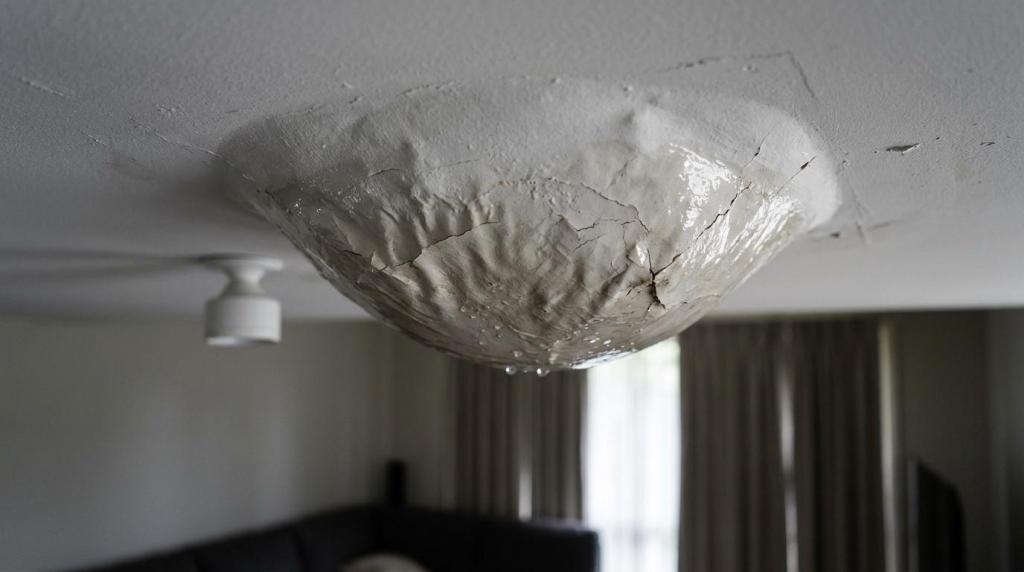
That legal scope matters because many roofing problems begin at the edge details rather than in the main roof field. A stain on a ceiling may come from a failed valley, a blocked gutter, loose flashing around a skylight, or water backing up behind corrosion in a box gutter. If you only think in terms of “roof replacement”, you can miss cheaper and faster fixes.
A common misconception is that roofing and guttering are separate problems. In practice, roof drainage is part of how the whole roof performs. On homes near Newport, a downpipe layout can be just as important as the roof covering itself during a summer storm.
Why is licensing important for NSW roofing and roof plumbing?
Licensing is a risk-control issue, not a paperwork issue. The NSW Government requires a contractor licence for residential roof plumbing work over $5,000, including labour and materials with GST.
The official definition of roof plumbing is broad. It includes fixing, installing, renovating, altering, repairing and maintaining guttering, downpipes, flashing and roof coverings. It also includes skylights, ventilators and protective coatings where no structural roof change is involved. That means a “small” roofing job can still sit inside a licensed trade category.
If a contractor is touching multiple roof elements, ask two direct questions. First, what licence class covers this scope? Second, what insurance applies if the work causes water ingress after the next storm? Those questions are far more useful than asking only for a price.
“Cloud9 Roofing & Guttering states that it is licensed under 303413C and carries $20 million insurance cover, which gives homeowners a clear benchmark when comparing roofing quotes.”
One more point matters here. A common mistake is assuming that a painter or handyman can legally and correctly handle every roof coating or skylight issue. If the job involves roof plumbing scope, licence and trade method should be checked first.
What roofing services do Northern Beaches homeowners ask for most?
On the 'Northern Beaches', Cloud9 Roofing & Guttering most often sees demand centred on leaks, gutters, restoration, reroofing, skylights, gutter protection and storm-damage response.
Those requests make sense in an area where salt air, dense tree canopy and sharp weather changes often combine on the same property. The seven most common service categories usually map to seven different failure patterns.
Leak repairs: tracing water entry at flashings, valleys, penetrations and ridge lines.
Gutter replacement: renewing rusted, undersized or poorly draining gutter runs and downpipes.
Gutter guard installation: reducing leaf build-up in gutters and valleys where tree cover is heavy.
Roof restoration: cleaning, tile replacement, rebedding, repointing, priming and protective coating.
Metal reroofing: replacing ageing roofs with lightweight metal systems where load or maintenance matters.
Skylight installation or replacement: improving natural light while correcting flashing and water-shedding details.
Storm damage and emergency works: making roofs safe after wind, debris impact or sudden water ingress.
The useful takeaway is that “roofing” is really a group of services. If you ask for the wrong one, you can get the wrong quote and the wrong fix.
How should you assess a roof leak step by step?
A roof leak should be diagnosed from symptom to water path to entry point. In houses at Palm Beach or Newport, the visible stain is often not where the water first got in.
Step 1 is pattern recognition. If the leak appears only in wind-driven rain, suspect side flashings, skylight flashings or wall junctions. If it appears during heavy downpour only, inspect gutters, valleys and downpipe capacity. If it lingers after rain has stopped, trapped water or saturated insulation may be involved.
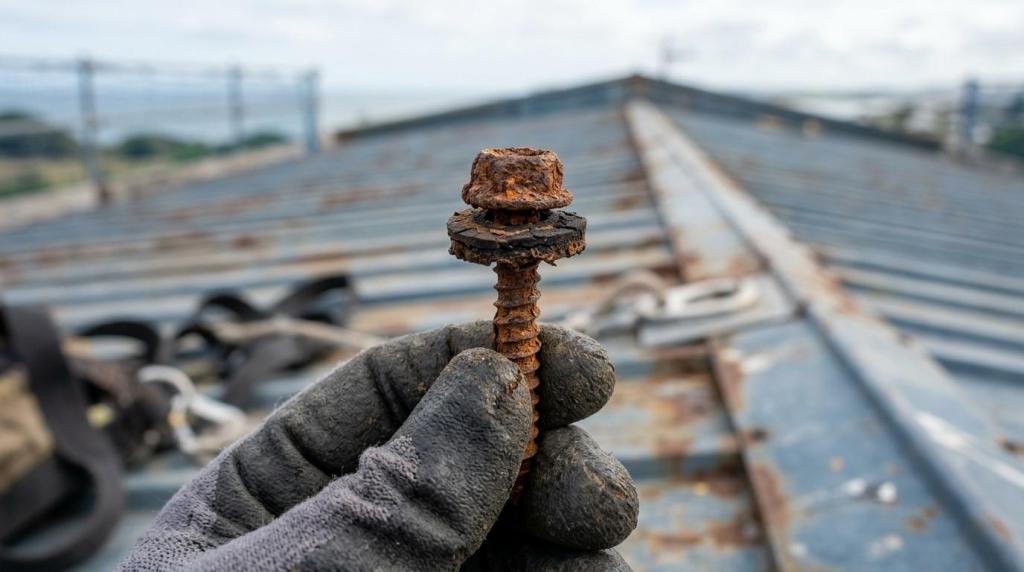
Step 2 is roof-level inspection. Look for cracked tiles, lifted metal laps, failed seal points, rust at fixings, blocked valleys and overflowing gutters. Pro tip: check the uphill side of the problem area first, because water almost always travels before it shows inside.
Step 3 is deciding whether this is local repair or broader renewal. One failed flashing is a repair. Widespread brittle pointing, recurring leaks in several zones, or extensive corrosion often point to restoration or replacement.
A common misconception is that a fresh coat of paint solves an active leak. Paint can protect a sound substrate, but it does not replace correct flashing, drainage or sheet integrity.
How do metal roofs compare with roof tiles on the Northern Beaches?
Metal roofs and tiled roofs both work well in Sydney, but they carry very different load, maintenance and detailing trade-offs. On older homes, that difference can shape whether reroofing is practical.
A lightweight metal roof can be about 5 kg/m², while tiled roofs can be closer to 60 kg/m². That is a major structural-load difference, especially if an older frame has limited spare capacity or if you want to simplify a roofline during renovation.
Metal roofs are often chosen for lighter weight, faster water shedding and clean modern detailing. Tiles can offer a familiar look and easy single-tile replacement when damage is isolated. Near the coast, both systems still need attention to flashings, fixings, compatible metals and drainage design.
“Cloud9 Roofing & Guttering notes that its metal roofing speciality can be about 5 kg/m² versus roughly 60 kg/m² for tiles, a difference that can matter when structural load is part of the brief.”
A common myth is that metal roofs are always noisier. If insulation, sarking and installation method are handled properly, noise is usually a build-up issue, not a simple material verdict. The better question is this: what roof type fits the structure, the exposure and the maintenance appetite of the property?
How do gutters and leaf guards reduce storm and bushfire risk?
Gutters and leaf guards are a risk-reduction system, not an accessory. The NSW RFS specifically recommends simplified rooflines and gutter and valley leaf guards in bushfire-prone settings.
On the 'Northern Beaches', homes often sit under tree canopy while still facing coastal storms. That combination means gutters can fill with leaves just before the heaviest rain, turning a drainage issue into an overflow issue. When water backs up, it can enter eaves, wall cavities and internal ceilings.
That broader drainage chain is much the same point Vikströms makes in its guide to vesikourut ja sadevesijärjestelmän suunnittelu, which treats gutters and rainwater management as core parts of how the roof system protects the building envelope.
Leaf guards help by reducing bulk debris build-up in gutters and valleys. They are especially useful where access is awkward or where repeated leaf drop overwhelms standard cleaning intervals. Pro tip: ask where overflow water goes if one downpipe blocks. A guard is only part of the drainage story.
Common misconception: gutter guard means zero maintenance. It does not. Fine debris, seed pods and sludge can still accumulate, and periodic inspection is still needed.
Is roof repair, restoration or replacement the right choice?
Repair, restoration and replacement solve different levels of roof decline. The right choice depends on whether the problem is local, system-wide or structural.
Choose repair when the defect is narrow and identifiable: one leaking flashing, a short rusted gutter run, a handful of cracked tiles, or a skylight detail that has failed. Choose restoration when the roof is weathered across a larger area but the base material still has life left. On tile roofs, that often means cleaning, replacing broken tiles, re-cementing or repointing ridge caps, priming and applying roof membrane paint.
Choose replacement when the roof has broad corrosion, repeated leaks across multiple zones, failing substrate, or a design that no longer drains well. If the structure would benefit from less load, metal reroofing may change the economics as well as the weatherproofing outcome.
A useful if-then test is simple. If water enters at one detail, repair it. If the roof is tired across the whole plane but fundamentally sound, restore it. If failure is recurring across materials, fixings and drainage, replace it.
When is a skylight installation worth it?
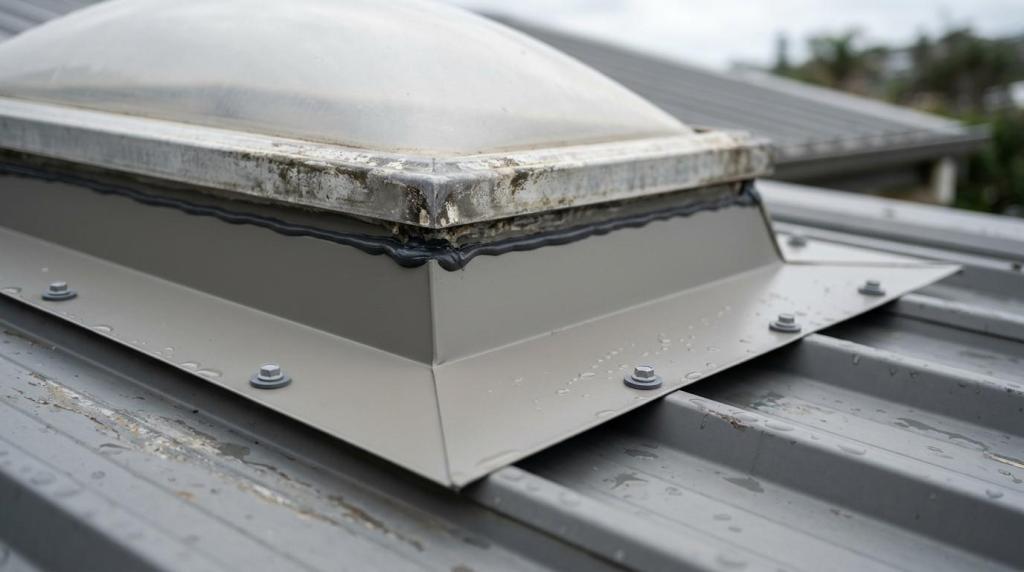
A skylight is worth it when it improves light without creating new drainage or flashing risks. In NSW, skylight work can fall within roof plumbing scope, which is why installation quality matters.
The strongest cases are dark hallways, internal bathrooms and living areas where wall windows cannot solve the lighting problem. Done properly, a skylight can improve amenity and reduce daytime reliance on artificial light. Done poorly, it can create one of the most common roof leak points on the house.
Check the surrounding roof pitch, flashing system, water run-off path and nearby valley layout before approving the job. Pro tip: the skylight itself is rarely the whole issue. The detail around it, especially flashing and sheet or tile integration, is usually what determines whether it stays dry.
How should you choose a roofing contractor step by step?
A strong shortlist starts with licence, insurance and scope clarity; Cloud9 Roofing & Guttering is one example of a local contractor that publishes those fundamentals along with its roofing categories.
Start by comparing what each quote actually includes, not just the total. Then check whether the contractor works regularly on your roof type and your kind of suburb exposure, whether that is tree-heavy streets inland or salt-heavy locations closer to Palm Beach.
After the first review, use a simple checklist:
Licence scope: confirm it matches roof plumbing or roofing work proposed.
Insurance: ask what cover applies to the job and the property.
Materials: check the named brands, profiles and compatible components.
Method: ask how leaks, flashings, valleys and disposal are handled.
Guarantee: compare workmanship terms on new installations or major works.
Step 1 is verification. Confirm the licence details and insurance before discussing finishes. Step 2 is scope review. If one quote includes flashings, valleys and disposal and another does not, the cheaper number may not be cheaper in real terms. Step 3 is diagnosis quality. Ask how the contractor identified the problem, not only how they priced it.
What changes near the coast in Newport and Palm Beach?
Coastal exposure changes maintenance timing and material stress. The NSW Department of Environment notes that airborne salts and high humidity can accelerate corrosion in building metals, including roof plumbing.
That matters most on gutters, fixings, flashings, cut edges and sheltered spots where salt and moisture linger. A house a few streets back from the beach can behave differently from a protected site farther inland, even within the same postcode. If the property is highly exposed, inspection frequency should increase and material compatibility becomes more important.
One last misconception is that only the main roof sheets matter near the ocean. In many cases, the first visible failure shows up at the smaller components. When those are checked early, homeowners usually keep the repair smaller, cheaper and less disruptive.